
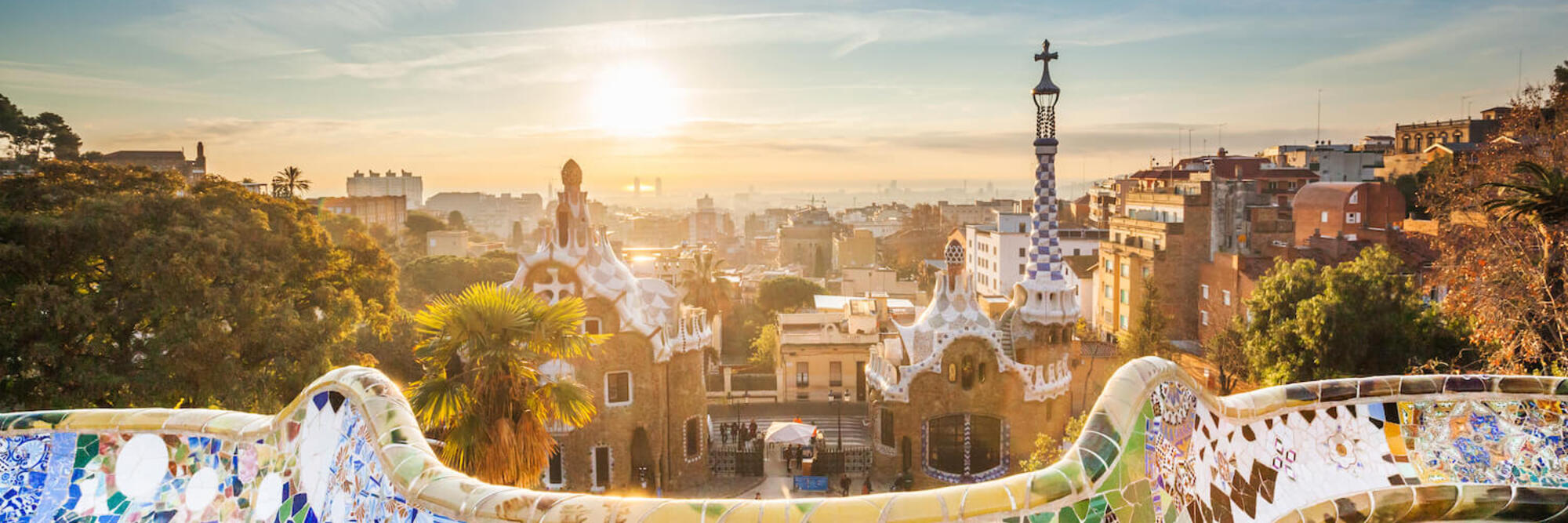
The cost of living in Barcelona can be high, but the city still attracts expats from across the world. Gaudí’s Sagrada Família and Park Güell pull in millions annually, and FC Barcelona’s Camp Nou is a major draw. Barcelona has a world-class reputation for its food. Yet all this comes at a price that demands careful budgeting.
That said, the average salary in Barcelona is generally sufficient to cover the cost of living, although it tends to be lower than in some other European capitals.
Cost of accommodation in Barcelona
Rental prices in Barcelona swing wildly depending on your chosen neighbourhood. Eixample and Gràcia command premium rates, while Poblenou and Sant Antoni offer better value. The rental market holds the unwelcome distinction of being Spain’s priciest, and a massive surge over the past decade that has created a genuine housing crunch. Flatshares are widely available and are considerably cheaper than renting a single-bedroom apartment.
Living outside the city centre in areas such as the Nou Barris district and Horta Guinardó is more affordable. Fortunately, utilities in Barcelona are generally reasonably priced.
Renting Expat Accommodation in Barcelona
Best Neighbourhoods in Barcelona
Cost of transport in Barcelona
Public transport in Barcelona is both efficient and affordable. The T-mobilitat integrated ticket allows you to travel across the city by bus, train, and metro.
Buying a car requires an NIE number and proof of address, and the process involves tackling the country’s infamous bureaucracy and paying an annual road tax, all of which typically deters expats from owning cars.
Cost of groceries in Barcelona
If you like to cook, note that certain groceries, such as meat and cheese, can be quite expensive. Be that as it may, given that Spain is one of Europe’s leading fruit and vegetable exporters, you can expect to pay less for fresh produce in Barcelona than in many other European cities. Save money by shopping at affordable chains like Lidl and Mercadona.
Cost of entertainment and eating out in Barcelona
Barcelona is famous for its buzzing nightlife, but it isn’t cheap. Drinks at a pub or club in the more affluent areas can be pricey. Attractions such as the theatre and cinema are also fairly expensive in Barcelona.
The city’s food scene caters to diners from all income brackets, and expats can find a restaurant or eatery to enjoy well within their budget. Barcelona is a foodie’s dream, and its countless Michelin-starred restaurants speak to the city’s strong food culture. The streets are chock-full of eateries at every price point.
While health and fitness clubs in the city’s business district tend to be costly, you may want to consider visiting Barcelona’s idyllic Mediterranean beaches and leafy parks to keep fit.
Shopping, Attractions, and Activities in Barcelona
Cost of education in Barcelona
Education in Barcelona caters to the city’s international crowd in various ways. State schools teach predominantly in Catalan. They offer free tuition, but at the cost of a language hurdle for expat families. Books and materials add modest costs to the equation.
International schools in Barcelona hog the expat education scene. These schools typically feature smaller class sizes and extensive extracurricular programmes, although these come with substantial fees. There are American and British schools offering their home countries’ curricula, and several institutions teach the International Baccalaureate programme.
Education and Schools in Barcelona
Best International Schools in Barcelona
Cost of healthcare in Barcelona
Barcelona’s healthcare system is an example of the high standards of care available in Spain across both the public and private sectors. The public healthcare system is funded through social security contributions and ensures that residents can access most healthcare services at little to no direct cost. There are minimal fees for prescription medicines.
Some expats opt for private health insurance to bypass waiting times and access a broader range of services. For instance, dental care for adults is not typically covered by the public system.
Healthcare and Health Insurance in Barcelona
Cost of living in Barcelona chart
Prices are in euros (EUR) and may vary depending on the product and service provider. The list below shows average prices for Barcelona in July 2026.
| Accommodation (monthly rent) | |
| Three-bedroom apartment in the city centre | EUR 2,300 |
| Three-bedroom apartment outside the city centre | EUR 1,800 |
| One-bedroom apartment in the city centre | EUR 1,400 |
| One-bedroom apartment outside the city centre | EUR 1,100 |
| Shopping | |
| Eggs (dozen) | EUR 4 |
| Milk (1 litre) | EUR 1.10 |
| Rice (1kg) | EUR 1.60 |
| Loaf of white bread | EUR 2 |
| Chicken breasts (1kg) | EUR 8 |
| Cheese (500g) | EUR 7 |
| Eating out | |
| Three-course meal for two at a mid-range restaurant | EUR 60 |
| Big Mac Meal | EUR 12 |
| Coca-Cola (330ml) | EUR 2.40 |
| Cappuccino | EUR 3 |
| Local draft beer (500ml) | EUR 3.50 |
| Utilities | |
| Mobile phone monthly plan with calls and data | EUR 16 |
| Internet (uncapped ADSL or cable – average per month) | EUR 35 |
| Basic utilities (average per month for a standard household) | EUR 150 |
| Transport | |
| Taxi rate (per kilometre) | EUR 1.80 |
| Bus/train fare in the city centre | EUR 2.50 |
| Gasoline/petrol (per litre) | EUR 1.60 |