
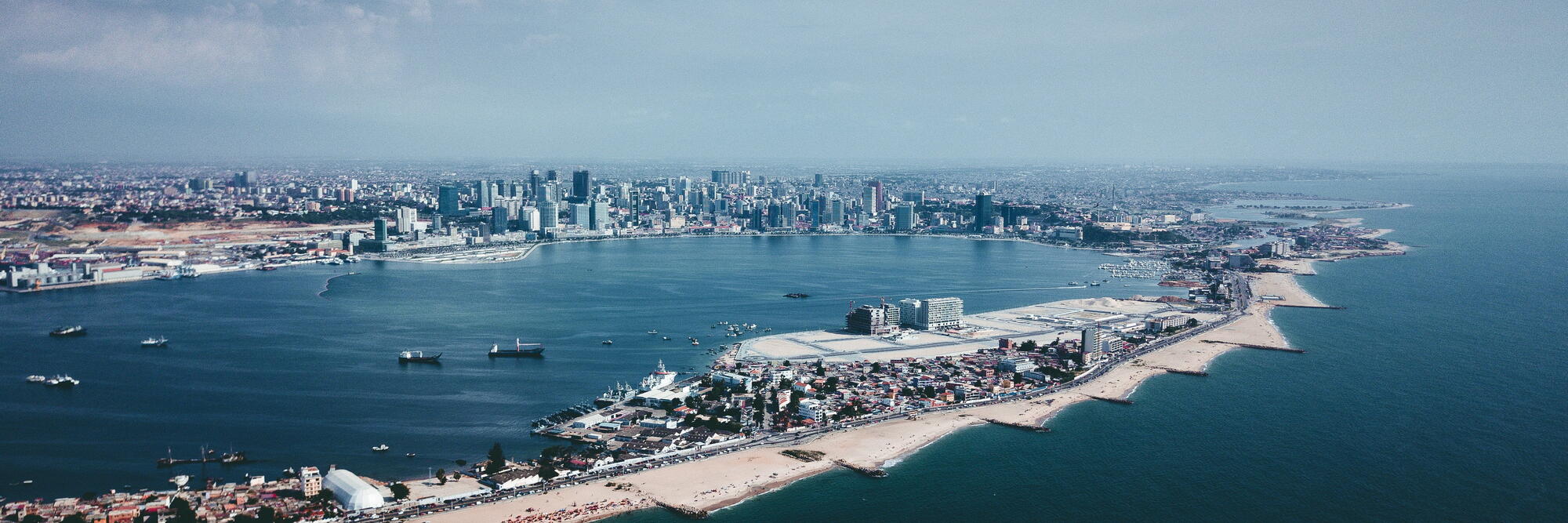
The cost of living in Luanda can be high, but expat employers usually offer a host of benefits for those willing to move to the Angolan capital. Housing and international schools are two major expenses to consider, and day-to-day life can also be pricey due to a reliance on imports. If you earn a good salary, though, you’ll live well in Luanda.
Cost of accommodation in Luanda
As there are only a few expat-friendly areas in Luanda, the cost of accommodation in the city is usually high. In addition to rental expenses, you will likely have to pay for utilities. Angola suffers frequent electricity outages and water shortages, so investing in back-up generators and water tanks becomes a costly necessity.
Cost of transport in Luanda
A personal vehicle is recommended for expats moving to Luanda, as safe and reliable public transport is not readily available. Purchasing and maintaining a suitable vehicle can be expensive, but hiring a personal driver is comparatively affordable.
Cost of groceries in Luanda
Food at Luanda’s bigger supermarkets, such as Candando and Shoprite, is expensive as most items are imported. Locally produced goods, although slightly more affordable, are not excluded from significant markups. Buying fresh produce from markets and street vendors is less costly and supports small traders, but the quality of food, meat in particular, can be subpar.
Cost of entertainment and eating out in Luanda
High-end restaurants, bars, and clubs in Luanda often charge prices on par with those in cities such as London or New York, and a night out is particularly expensive. If you’re after a more authentic local experience, many affordable eateries serve traditional Angolan cuisine.
Cultural events in Luanda are generally reasonably priced, but international concerts and performances can be costly. The price of movie tickets in Luanda is also quite steep, so be prepared to shell out when you head to the cinema.
Cost of education in Luanda
Sending your children to school in Luanda can be a significant expense. The vast majority of expats opt for an international school, as the local public school system falls short in a number of areas. They may offer higher-quality education and more familiar curricula, but international schools come with a hefty price tag. Additional costs such as uniforms, textbooks, and extracurricular activities should also be considered.
Cost of healthcare in Luanda
Getting adequate healthcare in Luanda can generate significant expenses if you’re not fully insured. The city’s public healthcare system is under resourced, and many prefer private medical facilities despite their high costs. You should secure health insurance coverage, ideally provided by your employer, as part of the relocation package. If not, the cost of your health insurance will depend on your level of coverage, lifestyle habits, and current health status.
Cost of living in Luanda chart
Prices are in Angolan kwanzas (AOA) and may vary depending on the product and service provider. The list below shows average prices for Luanda in September 2026.
| Accommodation (monthly rent) | |
| Three-bedroom apartment in the city centre | AOA 2,200,000 |
| Three-bedroom apartment outside the city centre | AOA 1,100,000 |
| One-bedroom apartment in the city centre | AOA 450,000 |
| One-bedroom apartment outside the city centre | AOA 250,000 |
| Food and drink | |
| Eggs (dozen) | AOA 1,900 |
| Milk (1 litre) | AOA 1,800 |
| Rice (1kg) | AOA 1,500 |
| Loaf of white bread | AOA 1,000 |
| Chicken breasts (1kg) | AOA 5,000 |
| Cheese (500g) | AOA 4,700 |
| Eating out | |
| Three-course meal for two at a mid-range restaurant | AOA 45,000 |
| Big Mac Meal | AOA 6,500 |
| Coca-Cola (330ml) | AOA 1,500 |
| Cappuccino | AOA 3,000 |
| Local draft beer (500ml) | AOA 1,400 |
| Utilities/household | |
| Mobile phone monthly plan with calls and data | AOA 17,500 |
| Internet (uncapped ADSL or cable – average per month) | AOA 80,000 |
| Basic utilities (average per month for a standard household) | AOA 95,000 |
| Transportation | |
| Taxi rate (per kilometre) | AOA 1,000 |
| Bus/train fare in the city centre | AOA 500 |
| Gasoline/Petrol (per litre) | AOA 300 |