
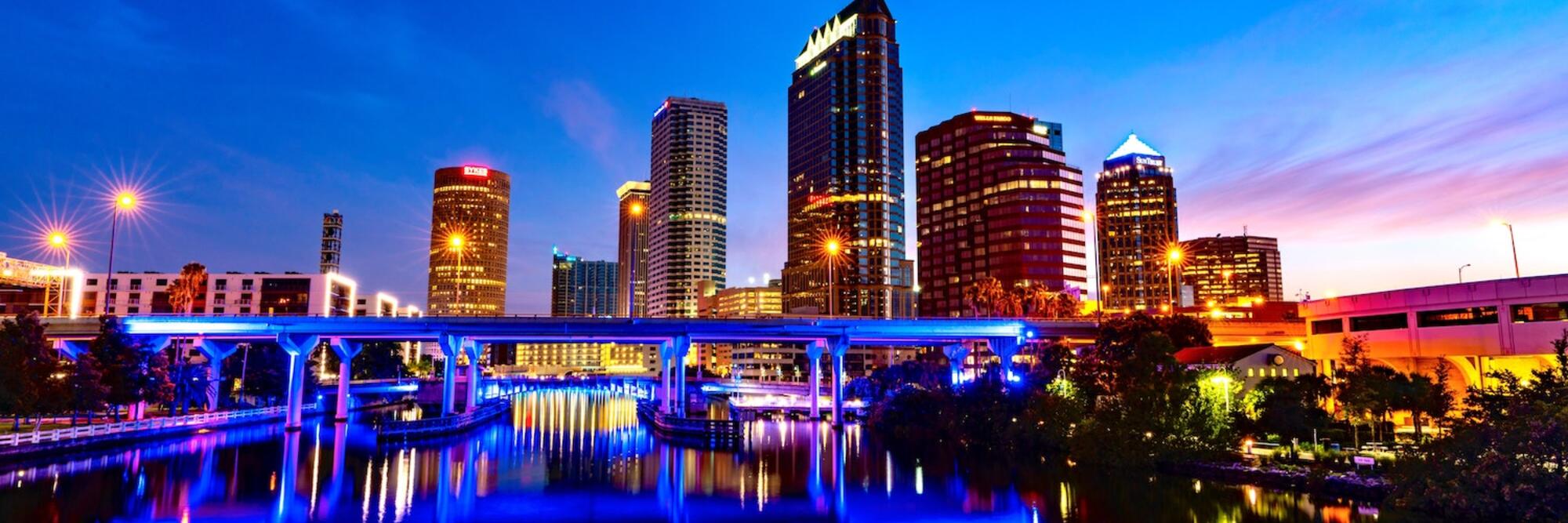
Living in Tampa
Living in Tampa means life on Florida’s Gulf Coast, in a city that grew up around its port and the cigar trade of the late 1800s. Port Tampa Bay is now the largest port in Florida by cargo tonnage. The wider Tampa Bay Area, which includes Tampa, St Petersburg, and Clearwater, is one of the fastest-growing regions in the state.
Retirees have long moved to Tampa for its warm weather and easygoing outdoor lifestyle. These days, young professionals and families come too, mostly for the career opportunities and the strong schools.
Tampa’s nickname, Cigar City, comes from the Cuban cigar makers who settled Ybor City in the 1880s. You can still see Cuban, Spanish, and Italian roots in the city’s food, architecture, festivals, and everyday street life.
Tampa is one of the more liberal and diverse cities in Florida, even as the surrounding county has trended more conservative in recent years. It also has a sizeable LGBTQ+ community, and its hub is the well-known GaYbor District in Ybor City.
Working in Tampa
The economy is one of the most diversified in Florida, so anyone working in Tampa will benefit from a wide choice of sectors. Many of the white-collar jobs are in financial and professional services, and employers such as Raymond James, Citi, JPMorgan Chase, and Progressive all have a sizeable local presence.
Healthcare and life sciences are another major pillar. Hospital networks like BayCare and AdventHealth employ thousands, and research-driven names like Moffitt Cancer Center and Bristol Myers Squibb are big players too.
The technology sector has expanded quickly over the past few years across fintech, healthtech, cybersecurity, and cloud computing. MacDill Air Force Base is home to US Central Command and US Special Operations Command, and it is ranked among the region’s largest employers. Tourism, logistics, manufacturing, and a growing cluster of corporate headquarters make up the rest of the economy.
Lifestyle in Tampa
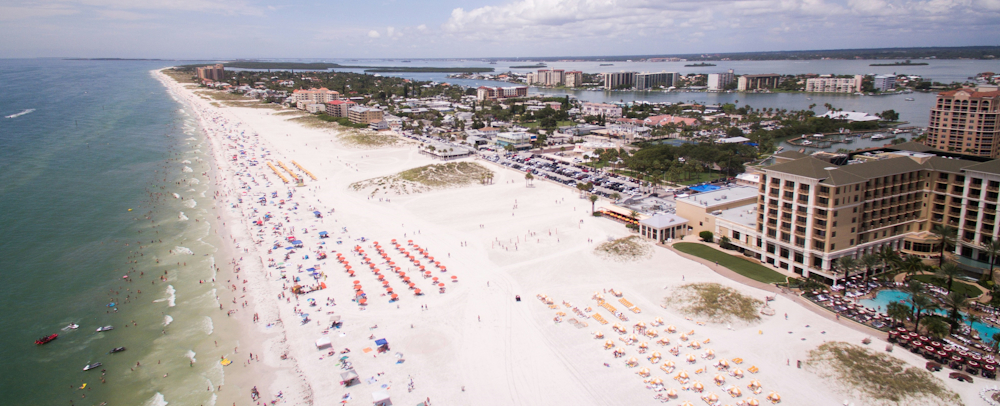
There’s far more to the lifestyle in Tampa than beaches and sunshine. Art lovers can spend an afternoon at the Tampa Museum of Art or the Florida Museum of Photographic Arts, and the downtown Riverwalk connects parks, restaurants, hotels, and waterfront bars along the Hillsborough River.
Sports is a big deal here, too. The city has three major professional teams, the Buccaneers in the NFL, the Lightning in the NHL, and the Rays in MLB, so new residents rarely struggle to find a side to support.
The main nightlife district is Ybor City, where bars, clubs, comedy venues, and live-music spots line the brick-paved Seventh Avenue. For a day by the water, the Gulf beaches at Clearwater and St Petersburg are a 30- to 45-minute drive across the bay.
Shopping, Nightlife and Entertainment in Tampa
Finding accommodation in Tampa
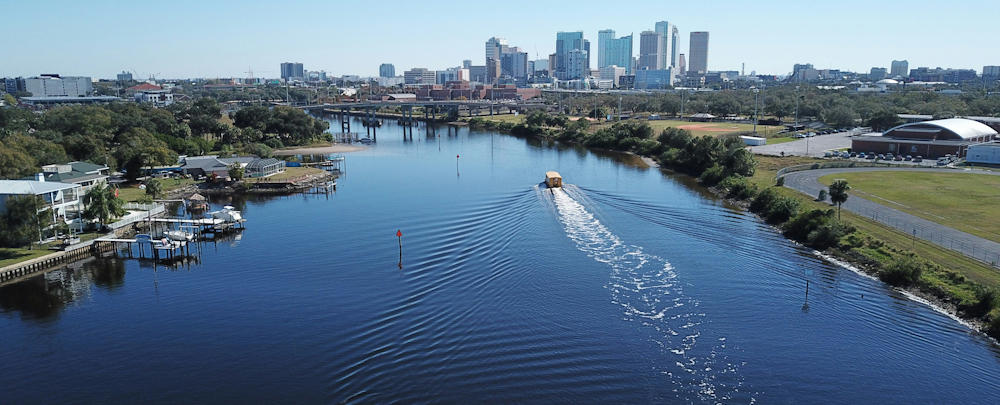
Finding accommodation in Tampa is easier on the wallet than in pricier Florida metros like Miami, and there’s a wide choice. You can find downtown high-rise condos in the Channel District and Water Street, 1920s bungalows in Seminole Heights and Tampa Heights, historic homes in South Tampa areas like Hyde Park and Palma Ceia, and gated waterfront properties on Davis Islands or Harbour Island.
Families who want a little more space often head to master-planned suburbs such as Westchase, Carrollwood, New Tampa, and FishHawk Ranch, or to outer towns like Brandon, Riverview, Wesley Chapel, and Lutz.
Renting Accommodation in Tampa
Best Places to Live in Tampa
Cost of living in Tampa
Compared with pricier metros like Miami, the cost of living in Tampa is close to the national average and a better value than most of Florida’s big cities. Housing usually costs less than the US average, although prices and rents have climbed sharply since 2020. Groceries and utilities tend to be a little higher, and the summer air-conditioning bills can really add up.
Local salaries are slightly below the national average. One major draw is tax. There’s no state income tax in Florida, which can mean real savings if you’re a higher earner moving from states like New York or California.
A lot of those savings will likely be paid out in insurance though. Home, flood, windstorm, and car cover in Florida are among the most expensive in the country, largely because of hurricane and flood risk. US healthcare is costly without insurance too, so new arrivals should take out a comprehensive health policy.
Living in Tampa with children
There’s a lot going for living in Tampa with children, and families who move here rarely run short of things to do at the weekend. Younger kids love ZooTampa and the Florida Aquarium, and families also have the Museum of Science and Industry and dozens of parks and playgrounds to fall back on.
Busch Gardens, a large theme park, is on the doorstep, and the calmer Gulf beaches across the bay are good for family days out. The warm climate means children can be outdoors for much of the year.
The healthcare in Tampa is a strong point. Tampa has well-regarded hospitals, including a dedicated children’s hospital, and there are high standards across the metro.
Healthcare and Medical Insurance in Tampa
Finding a school in Tampa
Parents have plenty of choices when it comes to finding a school in Tampa. Public schools are run by Hillsborough County Public Schools, one of the largest districts in the country, and both families from abroad and those relocating from within the US can enrol their children.
The district also runs sought-after magnet and charter schools, several of which offer the International Baccalaureate, and Florida now funds school-choice vouchers that many families put towards private tuition. Families from abroad often prefer an international or private school that follows a familiar curriculum, although a popular magnet programme can be a lower-cost route to the IB.
School and Education for Expats in Tampa
Getting around in Tampa
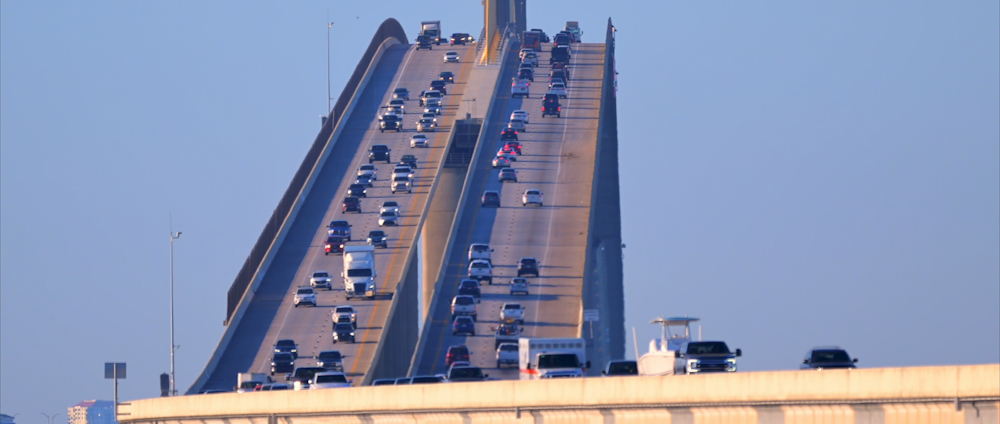
Getting around Tampa almost always means driving. The city is spread out and car-dependent, and most commuters use the interstates I-275, I-4, and I-75, along with the tolled Selmon Expressway. Commutes tend to be a little longer than the national average. Tampa International Airport, one of the best-reviewed in the country, is a short drive west of downtown.
It’s not that public transport doesn’t exist: HART runs bus routes across Hillsborough County, and the free TECO Line Streetcar connects downtown, the Channel District, and Ybor City. But coverage is thin outside the core, so a car is still the most practical option, especially for trips to and from the outer suburbs.
Public Transport, Driver’s Licences and Driving in Tampa
Climate and weather in Tampa
For all its appeal, the climate and weather in Tampa come with a seasonal catch, which is the summer heat and humidity. The annual average temperature is around 72°F (22°C), winters are mild and dry, and the cooler months are the best time to be outdoors.
Summers are a different story. From roughly June to September, the days are hot and humid, and highs reach around 91°F (33°C). Afternoon thunderstorms roll in on most days. Annual rainfall is about 50 inches (130cm), which is well above the US average, and most of it falls in that summer stretch.
The greater consideration is hurricane season, which lasts from June to November and peaks between August and October. Because Tampa Bay has a low elevation and a shallow coastline, the area is especially exposed to storm surge and flooding, as Hurricanes Helene and Milton showed in 2024.
None of this makes Tampa a hard sell. New residents keep arriving from across the US and beyond for the warm weather and a tax-friendly paycheck, and most find their feet quickly once they’ve come to grips with hurricane season.