

- Download our Singapore Schools Guide
- Download our Moving to Singapore Guide (PDF)
The standard of education and schools in Singapore is high. Parents will have plenty of options, including public, private, and international schools. It's important to carefully weigh the pros and cons of each before making a decision. Local education is of a high standard, but there can be a lot of pressure to succeed. While some expat children can thrive in these conditions, others may do better in a more familiar environment.
It's worth noting that sorting out school attendance and applications in Singapore can be fairly complicated and time consuming. The amount of red tape can be overwhelming, so it's best to start as far in advance as possible.
Student's Pass (STP) for expats in Singapore
All foreign students in Singapore require a Student's Pass (STP) to attend school in the city-state, whether at public, private, or international schools. Expat students who already hold a Dependant’s Pass (DP), Long-Term Visit Pass (LTVP), or Immigration Exemption Order (IEO) don't need an STP.
Once a student is admitted to a school, they will be issued a Registration Acknowledgement Letter (RAL). This is needed to lodge an application with the Immigration Checkpoints Authority (ICA), which must be done at least one month before school begins.
Useful links
Public schools in Singapore
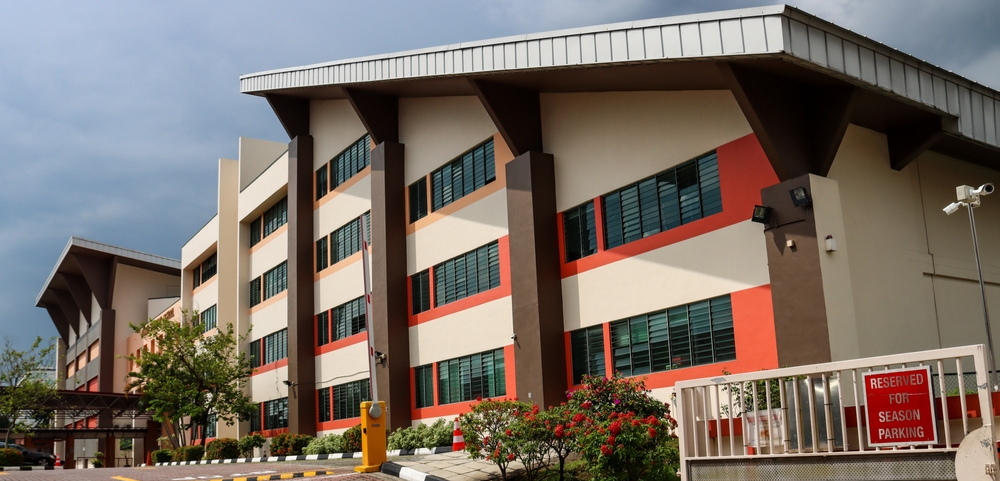
The primary language of instruction in Singapore is English, making public schools a potential option for expats in the city-state. Parents who anticipate living in Singapore for the long term value the cultural immersion that public schools offer, but they should prepare themselves and their children for the nuances of the local curriculum. Local students often shoulder immense pressure to succeed. Some parents also feel that the curriculum places too much emphasis on rote learning.
Many of Singapore's schools are oversubscribed. Priority placement is given to citizens and permanent residents who live close to the school. Placement for foreign students is not guaranteed, so expat parents are advised to have a backup plan.
Schooling system
The school year in Singapore begins in January and is divided into two semesters of two terms each, for a total of four terms per year.
By law, Singaporean citizens are required to attend a government primary school from the ages of six to 15. This law doesn't apply to foreign citizens, and expats can therefore attend private or international schools.
Public schooling in Singapore is divided into the following phases:
- Preschool: Ages 4 to 6 – Playgroup, K1 and K2
- Primary school: Ages 7 to 12 – Primary 1 (P1) to Primary Six (P6)
- Secondary school: Ages 13 to 16 or 17 – Secondary 1 (S1) to Secondary 4 (S4) or Secondary 5 (S5)
- Post-secondary school: Ages 16 or 17 and up – Junior college, polytechnic, or institute of technical education
School fees
Government schools are more affordable than international schools, though not as cheap as many expats assume. Like attendance, fees are determined by nationality and citizenship status.
While schooling is virtually free for citizens, permanent residents pay a small monthly fee. Expats from ASEAN countries pay a higher monthly amount, while expats from non-ASEAN countries are charged even higher monthly fees. Still, once added up, even the highest public school fees amount to roughly half of what you'd pay at an international school, so there's a significant saving.
Admissions testing
The Ministry of Education (MOE) handles all applications for public school attendance. Registration and testing are required to obtain a place in a Singaporean public school and are mostly conducted online. Exact dates change year by year, but the general process is outlined below.
- P1 Registration Exercise: Parents of all students entering P1, including expats, must submit the P1 Registration Exercise. For expats, this occurs in May of the year before they begin school. The outcome is communicated by October, and school starts in January of the following year.
- AEIS (Admissions Exercise for International Students): Expat students entering P2 to P5 or S1 to S3 the following year register in July and take the test in September or October. The outcome is received in December, and school begins in January.
- S-AEIS (Supplementary AEIS): Expats attending P2 to P4 or S1 to S2 who missed the AEIS can take the S-AEIS. It is held in January of the year in which they'll be attending school, with successful applicants starting school in April or May.
- CEQ (Cambridge English Qualification): 12 months before taking the AEIS or S-AEIS, primary school applicants must take the CEQ at a registered testing centre in their home country.
- Reporting to school: Successful applicants must contact their school in December or early January to confirm the acceptance of their place. School then begins in the new academic year.
Useful links
Private schools in Singapore
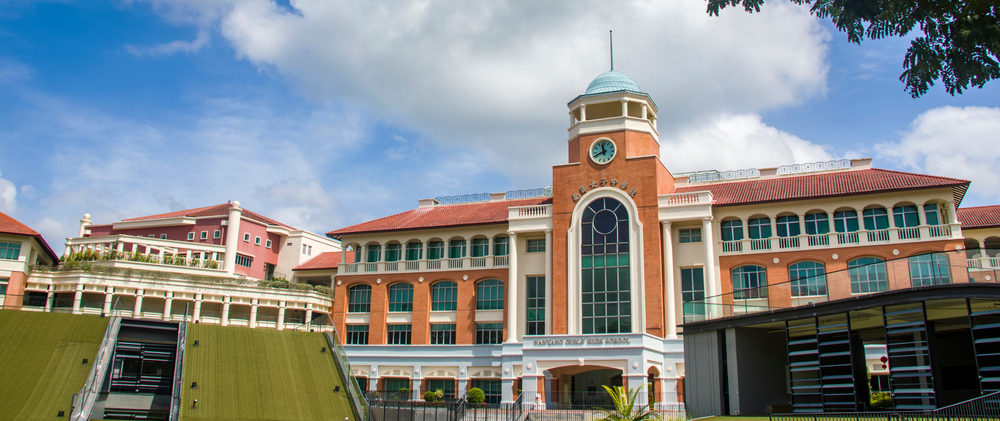
Private schools in Singapore are generally more expensive than public schools and offer better facilities and smaller classes. Some use alternative teaching methodologies, such as Montessori. Others are aimed at recruiting students talented in a particular area, and teach a specialised curriculum in a certain subject, such as mathematics or the arts. Foreign-curriculum schools, also known as international schools, technically fall under the private school category according to the MOE's definition.
Useful links
International schools in Singapore
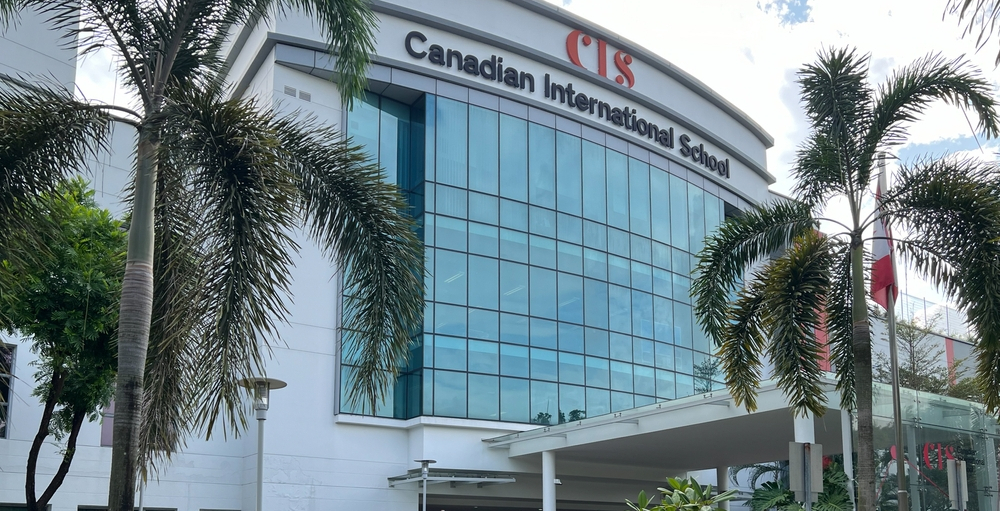
There is a large expat population in Singapore. As a result, plenty of international schools have sprung up to serve the foreign community. Overall, international schools in Singapore have a good reputation, though some are regarded as having higher standards and more challenging curricula than others.
Many of Singapore's international schools follow the International Baccalaureate (IB) curriculum, while others offer curricula from their country of origin, such as those of the UK, the US, and India. Some expats choose to enrol their children in international schools simply because the school holidays align with home-country holidays.
Another factor that significantly affects school choice is availability, as popular schools often have extensive waiting lists. Others might not have waiting lists at all and are a viable option for enrolment while waiting for a spot to open up at a more prestigious institution. Although these intermediary schools are accepted as offering a good standard of education, the high turnover can unsettle students and disrupt the learning environment.
International schools in Singapore are expensive, but many expats are lucky enough to have their employers supplement their school fees. Those moving to take up an assignment abroad should try to negotiate an allowance into their contract if one isn't included initially.
Best International Schools in Singapore
Top IB Schools in Singapore
Recommended British Schools in Singapore
Special educational needs in Singapore
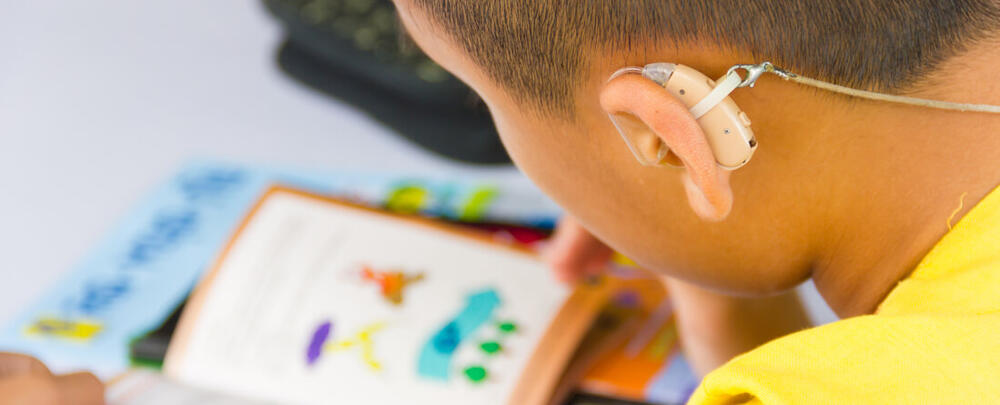
The MOE has programmes in place to support children with Special Educational Needs (SEN). Children with milder conditions and adequate cognitive and adaptive abilities are typically put into mainstream schools with additional support, while those whose conditions require more individualised attention are placed in Special Education (SPED) schools.
Parents can make their own choice about which of these is best for their child, though it is recommended that children with moderate to severe SEN enrol in a SPED school. Families opting for SPED schools will be assisted by the Multi-Agency Advisory Panel. This panel comprises education and healthcare professionals who can advise on which specific school best meets the child's needs.
In international and private schools, there may or may not be provisions for SEN children. Some schools don't offer any support for these kinds of needs, while others only offer support for mild SEN. Each school has its own policy, and individual schools should be consulted about their ability to cater to any particular needs.
Useful links
Nurseries in Singapore
Expat parents with young children have a diverse array of nursery school options in Singapore. Some popular nurseries can be as expensive as regular schools and often have long waitlists. Parents should start their enquiries early. These schools generally offer flexible attendance schedules, early drop-offs, lunch provisions, and optional afternoon programmes for working parents, although verifying these details with each school is essential.
Best Nurseries and Kindergartens in Singapore
Tutors in Singapore
With high academic achievement being prized in Singapore, it makes sense that the use of tutors is widespread. Local parents frequently use tutors to ensure their children are among the top in their class. Expat parents may find tutors helpful with issues such as filling the gaps between children's old and new curricula. Tutors can also help children learn the local language faster or maintain fluency in their mother tongue.
Tutoring is a thriving industry in Singapore and can be pricey due to high demand. Expats can either go through a tutoring company or work directly with a private tutor.